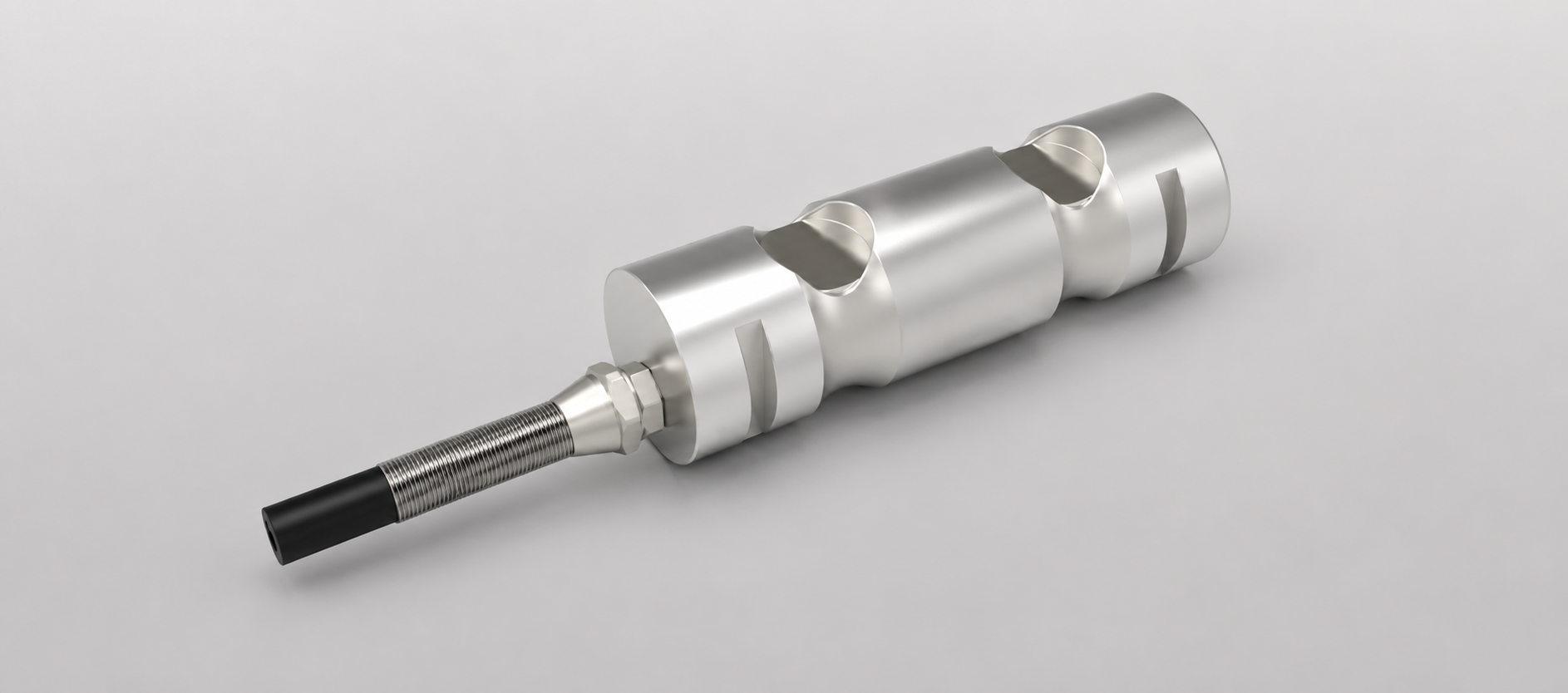
The Role of Load Cells in Material Handling Systems
Enhancing Accuracy, Efficiency, and Safety in Industrial Operations
In today's fast-paced industrial environment, material handling systems play a crucial role in ensuring smooth production, storage, and transportation of goods. From warehouses and manufacturing plants to logistics centers and processing industries, accurate weight measurement is essential for maintaining efficiency and operational control. This is where load cells become an indispensable component.
As one of the trusted Load Cell Manufacturers, Sharp Electronics provides high-quality load cell solutions designed to improve the performance, safety, and reliability of material handling systems across various industries.
What is a Load Cell?
A load cell is a precision sensor that converts force or weight into an electrical signal. This signal is then measured and displayed by weighing indicators or control systems. Load cells are widely used in industrial weighing applications where accurate weight monitoring is critical.
Modern load cells are designed to deliver high accuracy, durability, and long-term performance even in demanding industrial environments.
Understanding Material Handling Systems
Material handling systems involve the movement, storage, protection, and control of materials throughout manufacturing, warehousing, distribution, and disposal processes. These systems include:
- Conveyor systems
- Cranes and hoists
- Automated storage systems
- Hoppers and silos
- Forklift weighing systems
- Bulk material handling equipment
- Packaging and filling machines
The effectiveness of these systems depends largely on precise weight measurement, making load cells a vital component.
Why Load Cells Are Important in Material Handling Systems
1. Accurate Weight Measurement
One of the primary functions of load cells is to provide accurate weight data during material handling operations. Accurate weighing helps businesses maintain quality standards, reduce material wastage, and ensure proper inventory management.
High-quality load cells supplied by experienced Load Cell Manufacturers help industries achieve consistent and reliable weighing performance.
2. Improved Process Automation
Automation is becoming increasingly important in modern industries. Load cells enable automated weighing and monitoring processes by continuously transmitting weight data to control systems.
This allows:
- Automatic filling and batching
- Conveyor weight monitoring
- Inventory tracking
- Process control optimization
Sharp Electronics offers advanced load cell solutions that seamlessly integrate with automated material handling systems.
3. Enhanced Workplace Safety
Overloading equipment can lead to accidents, equipment failure, and costly downtime. Load cells help prevent such situations by continuously monitoring weight limits.
Applications include:
- Crane overload protection
- Hoist load monitoring
- Lift and platform safety systems
- Storage tank weight control
By providing real-time weight information, load cells contribute significantly to workplace safety and operational reliability.
4. Better Inventory Management
Accurate inventory management is critical for maintaining production efficiency. Load cells installed in storage bins, silos, and tanks provide real-time inventory data.
Benefits include:
- Reduced stock shortages
- Improved production planning
- Accurate material tracking
- Better supply chain management
Many industries rely on solutions from reputable Load Cell Manufacturers to improve inventory visibility and operational efficiency.
5. Reduced Material Waste
Material waste can significantly increase operational costs. Load cells ensure precise measurement during filling, dosing, batching, and packaging operations.
This helps organizations:
- Minimize product giveaway
- Improve process consistency
- Reduce raw material consumption
- Enhance profitability